
Episode 01 • Long Form

The Beatles of AI

How a small group of scientists, founders, and engineers built something powerful enough to change the world — and why they may be more powerful apart than they ever were together.

9 minWatch time 5 foundersOne dinner Jim CaralisAI News & Strategy
The Beatles of AI
Watch on YouTube — they came together with one question.
The Rosewood Sand Hill dinner, 2015

It started with a dinner.

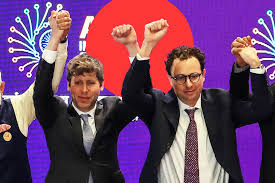
It started with a question. Sam Altman and Elon Musk asking what happens if AI becomes powerful — and who gets to control it.

That question led to a dinner, rumored to be at the Rosewood Sand Hill in 2015, where they brought in Ilya Sutskever, one of the world's top AI scientists, and Greg Brockman, the engineer who helped scale Stripe to millions of businesses.

Around that table, they aligned on three things that must be true.

But they were missing someone — someone to push harder on safety, on alignment, and what happens if this actually works. So they brought in Dario Amodei.

What they agreed on.

This wasn't a company yet. It was a very specific group of personalities with very different ideas about what this should become. But on three things, they were aligned.

Don't let it scale out of control.

The fear wasn't that AI would fail. It was that it would succeed too quickly, without the people building it being able to keep up.

Don't let big tech own it.

If a handful of incumbents controlled the most powerful technology of the century, the future would be shaped by their incentives — not ours.

Don't let it become unsafe.

Safety wasn't a feature to add later. It was the reason the room came together in the first place.

Every band has its roles.

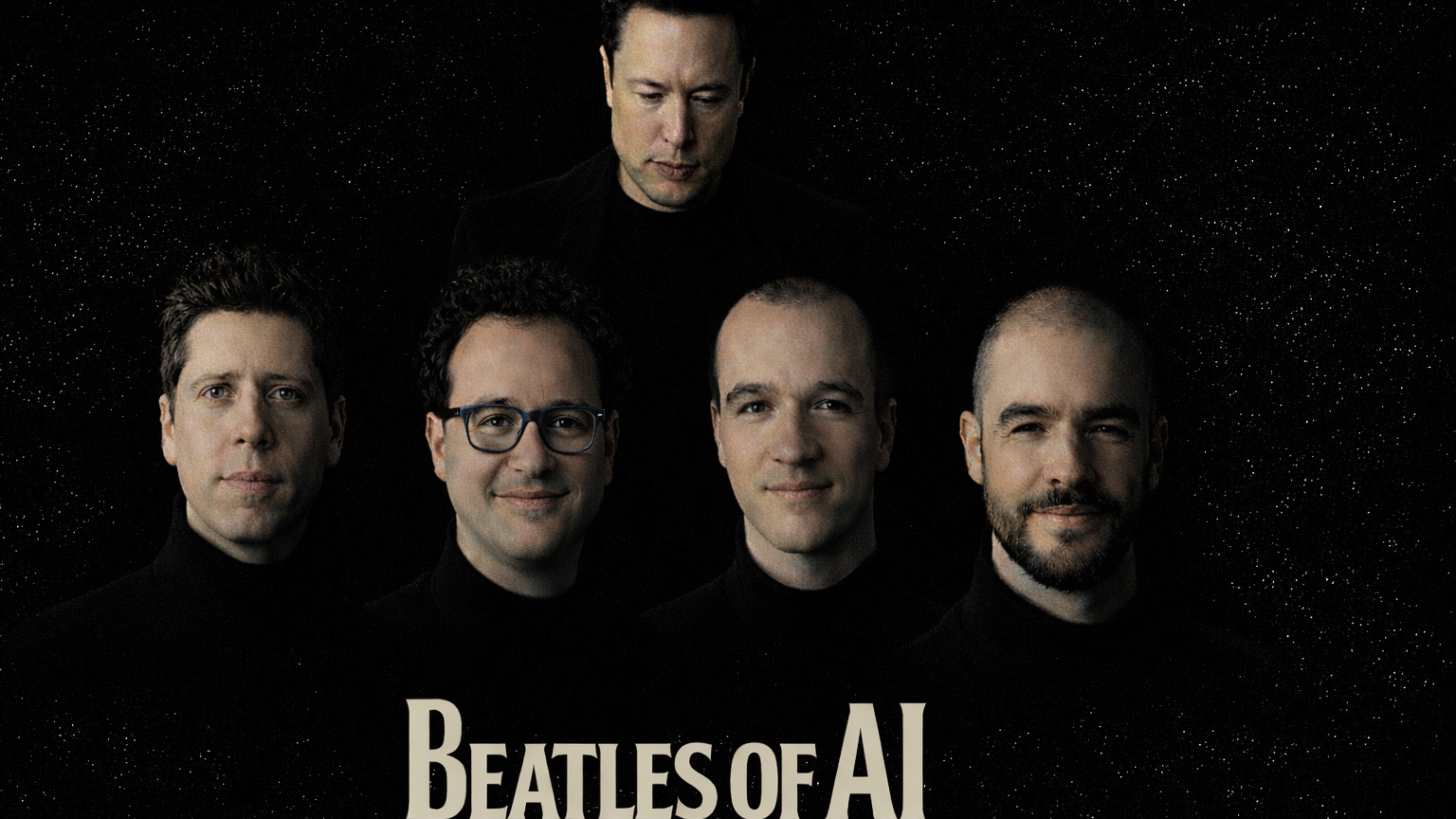
If you look closely, you can almost predict how this ends. Five people. Five very different visions. The same tension that tore apart the greatest band of all time.

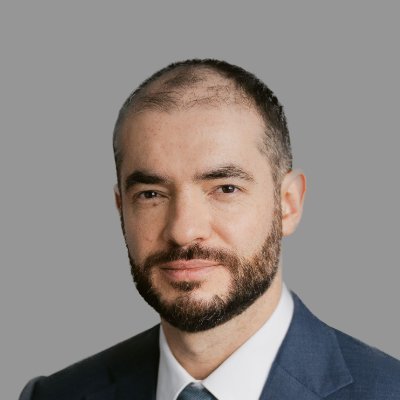
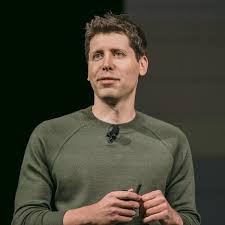
Sam Altman Sam Altman
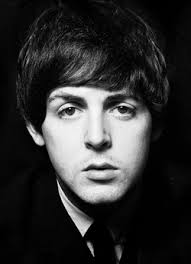
Paul McCartney Paul McCartney
=
The Organizer
Sam Altman  ·  Paul

The one who takes the vision and ships it.

Manages the moving parts, creates momentum out of thin air, and keeps the machine running when everyone else wants to argue about the music.
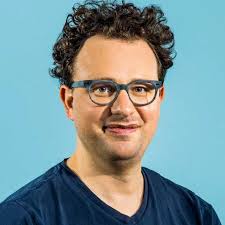
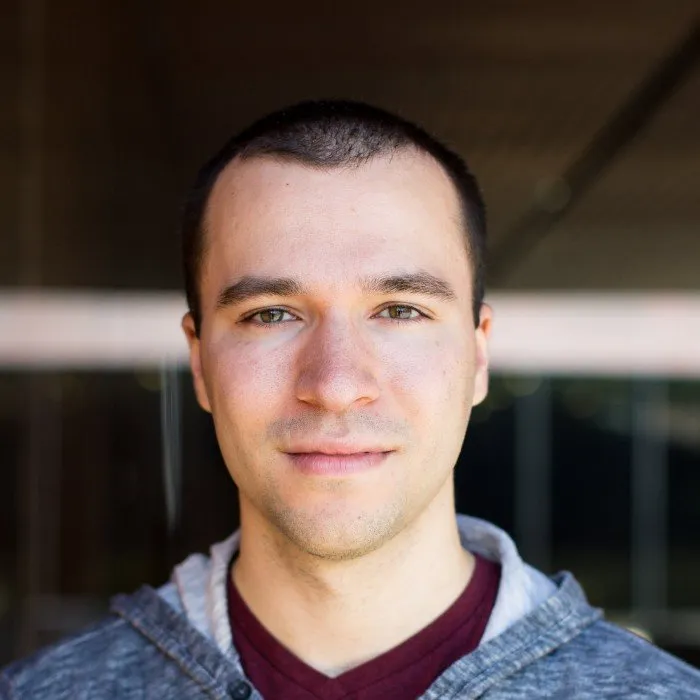
Dario Amodei Dario Amodei
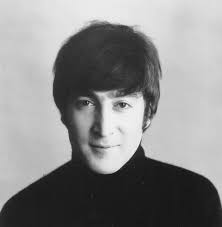
John Lennon John Lennon
=
The Visionary
Dario Amodei  ·  John

The one with the strongest convictions.

Obsessed with safety. The one most willing to walk out the door when the philosophies stop matching the reality of what's being built.

Ilya Sutskever Ilya Sutskever
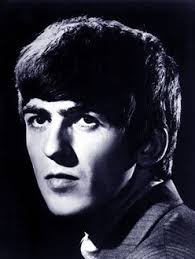
George Harrison George Harrison
=
The Philosopher
Ilya Sutskever  ·  George

Quietly brilliant. Deeply philosophical.

The one asking the deepest questions. Pushes the boundary of what's possible without asking to be at the front of the stage.

Greg Brockman Greg Brockman
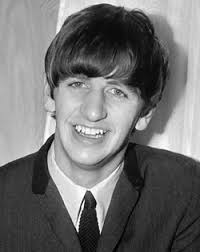
Ringo Starr Ringo Starr
=
The Engine
Greg Brockman  ·  Ringo

The one who makes everything actually work.

Turned Stripe into payment infrastructure for the internet. Now turns whiteboard diagrams into systems that run at planetary scale.

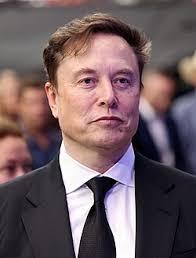
Elon Musk Elon Musk
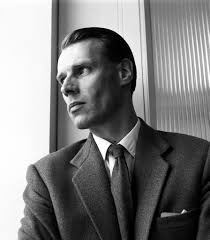
George Martin George Martin
=
The Producer
Elon Musk  ·  George Martin

The one with the resources and the gravity.

Not in the band, but the reason the band gets heard. Brings the capital, the platform, and the attention that makes the world pay attention.

The Beatles didn't break up because they stopped being talented. They broke up because success changed what each of them wanted. Same story here.

Something rare in the room.

OpenAI worked because they had something almost no other group had at the same time: scientific depth, startup speed, serious money, and a mission that felt bigger than anyone in the company.

In the early years, they made a huge bet. Instead of building narrow tools, they built a general-purpose model — the kind that gets smarter the more data and compute you throw at it.

This is called the scaling bet. More data in, more smart out. And if that was true, this wasn't a technical bet — it was a race.
  • SamCreates momentum out of thin air.
  • DarioTurns research ideas into real, deployable systems.
  • IlyaPushes the boundary of what's technically possible.
  • GregBuilds the infrastructure to make it all run.
  • ElonBrings the gravity that makes the world pay attention.
Attention Is All You Need

Attention is all you need.

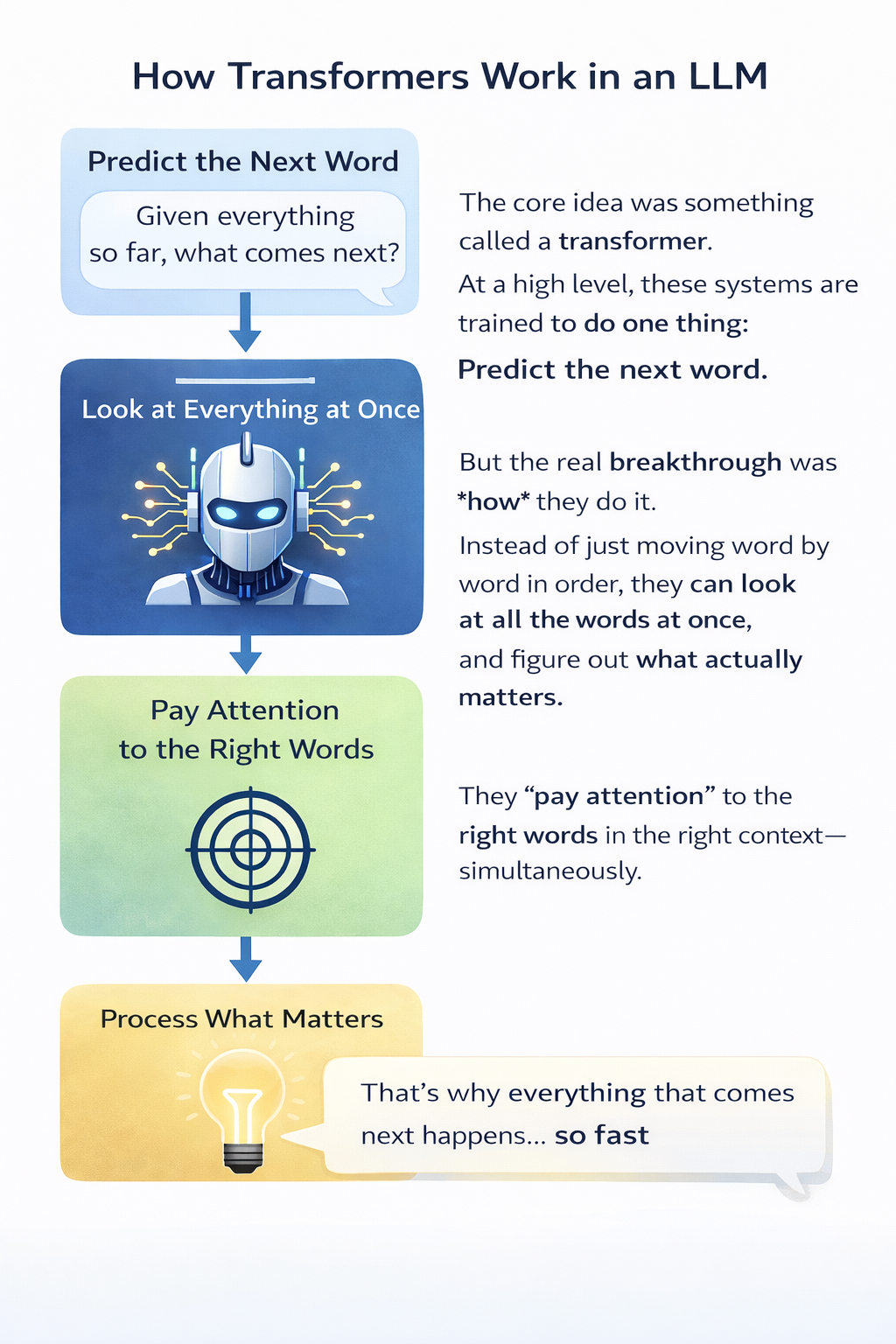
The key breakthrough didn't come from them. It came out of Google — a paper called Attention Is All You Need, led by a team of research scientists. The core idea was something called a transformer.

At a high level, these systems are trained to do one thing: predict the next word. Given everything so far, what comes next? But the actual breakthrough was how they do it.

Instead of reading one word at a time, they look at everything at once and figure out what matters — paying attention to the right words, in the right context, all at the same time.

OpenAI took that idea and scaled it further than anyone else. That bet is now known by a famous acronym — GPT.

From a proof of concept to 100M users.

With the foundation in place, they started building. Every year, the models got better, and the ground underneath us got less stable.

2018GPT-1

A proof of concept.

It works — but just barely. The first model ships quietly. Most of the world never hears about it. Inside the building, they know what it means.

OpenAI
2019GPT-2

Too good to release.

The writing is more coherent, more fluid, more convincing. They decide not to release the full model at first — not because it didn't work, but because it worked far better than they expected. The conversation starts to shift from this is interesting to this could be dangerous.

Sam and Dario
2020GPT-3

It stops feeling like research.

People start using it to write code. GitHub Copilot arrives — a living library of code, millions of developers building software together in real time, suddenly accelerated. It doesn't work perfectly, but well enough to see the future.

GitHub Copilot
2022ChatGPT

Everyone gets it.

They took everything they had built and put it behind a single interface. One box. You type, it responds. In hindsight, obvious — at the time, it wasn't. For most people, this was their first real experience with AI. Not something they heard about. Something they got to use.

ChatGPT
Alan Turing

Did we already pass it?

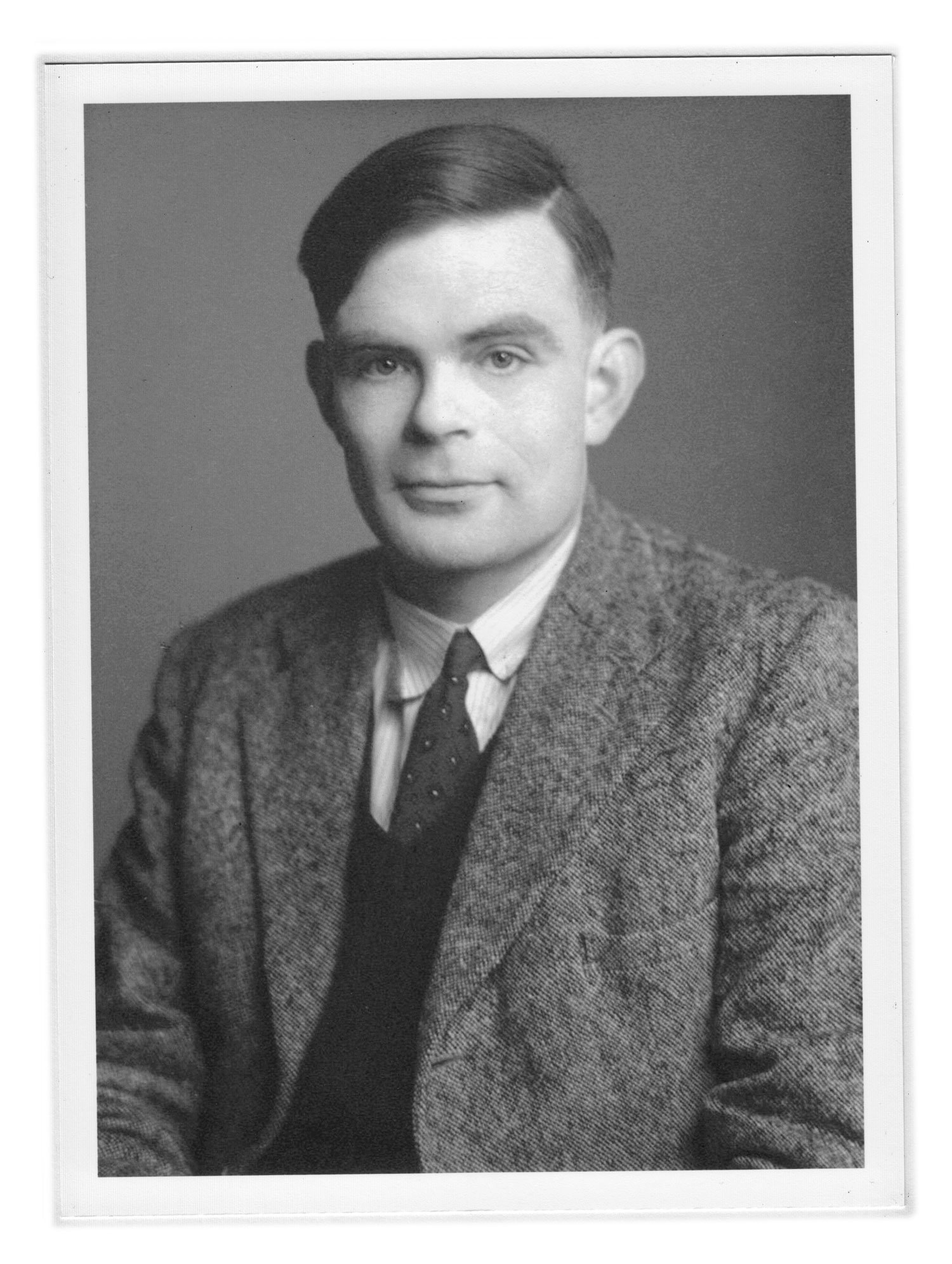
An older idea came back into the conversation. The Turing Test, proposed by Alan Turing — the man who helped break the Nazi Enigma code. The idea was simple: if you can't tell whether you're talking to a human or a machine, does it matter?

For the first time, people started asking after ChatGPT — are we already past it? You weren't just using software. You were talking to something that felt like it understood you.

100M
Users in two months — faster than almost anything we've seen.

The breakup.

What actually happened inside OpenAI — who left and why, the internal fights over safety, over control, over Sam Altman himself, and the deals that pulled in big tech the moment everything stopped being open.

Four completely different visions of AI, emerging from the same room.