How-to • May 2026
Write Better Requirements Faster (JTBD + AI)
A practical PM workflow: use Jobs to Be Done to give AI the context it needs, then build a skill that turns rough thinking into sharp, atomic requirements.
Long-form deep dives and weekly AI news commentary — the full archive.
A practical PM workflow: use Jobs to Be Done to give AI the context it needs, then build a skill that turns rough thinking into sharp, atomic requirements.

Three workflows that compress execution and compound judgment — Jobs to Be Done requirements, AI-assisted testing, and a tighter feedback loop.
PMs are getting laid off — and PM openings are at a three-year high. Both stories are true. The reverse waterfall explains why, and what the new PM has to look like.
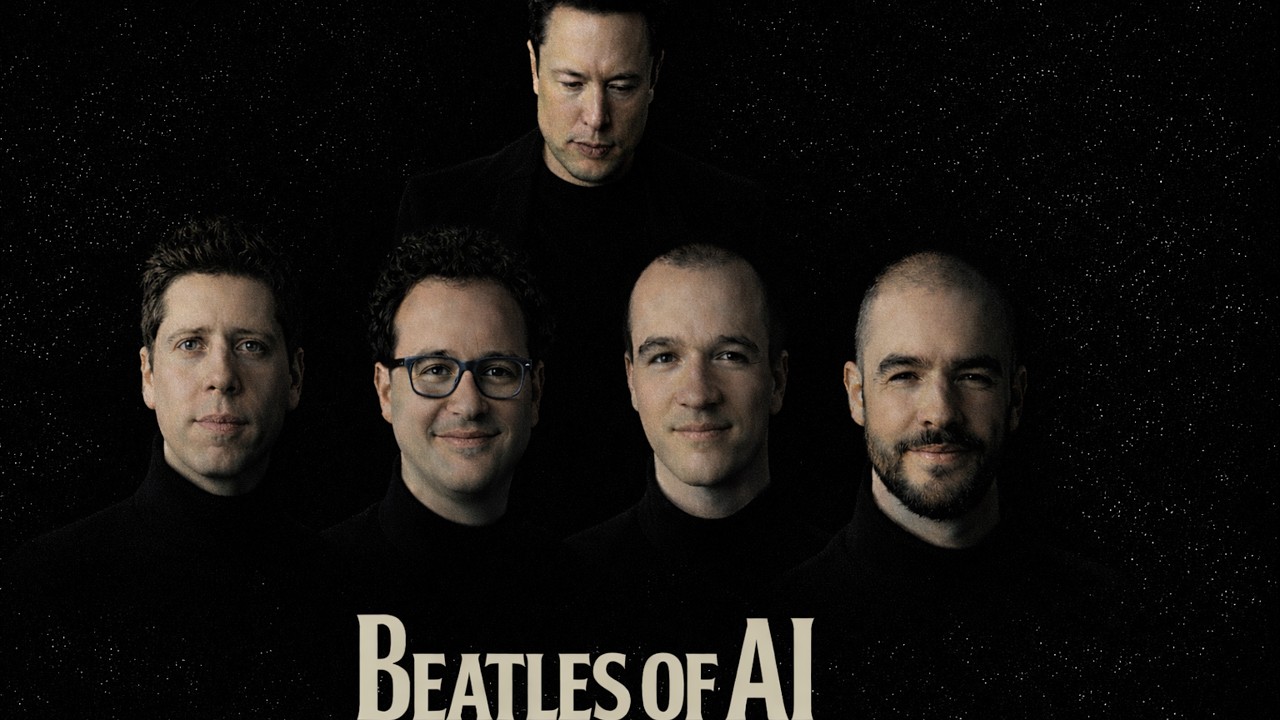
A small group of people built something powerful enough to change the world — and then realized they couldn't control it. How Sam, Elon, Ilya, Greg, and Dario came together, and why they may be more powerful apart than together.
The lazy version of the AI story is that PMs are coding and engineers are doing product. The real shift is deeper than that.

A lot of product managers think AI is making them better at building products. Sometimes it is. A lot of the time, it's just helping them make mistakes faster.

Everyone's focused on which model is smartest. The actual edge is quieter, more boring, and available to anyone willing to use it well.

Anthropic isn't just building frontier models — it's quietly positioning itself inside Washington. The real story isn't the policy wins. It's what they reveal about the next phase of the AI race.

Opus 4.7 isn't just a better model — it's a signal about how Anthropic wants AI to operate: more capable, with less human steering at every step.
What a new generation of frontier models can actually do — and what the pricing shifts reveal about where the industry is heading next.
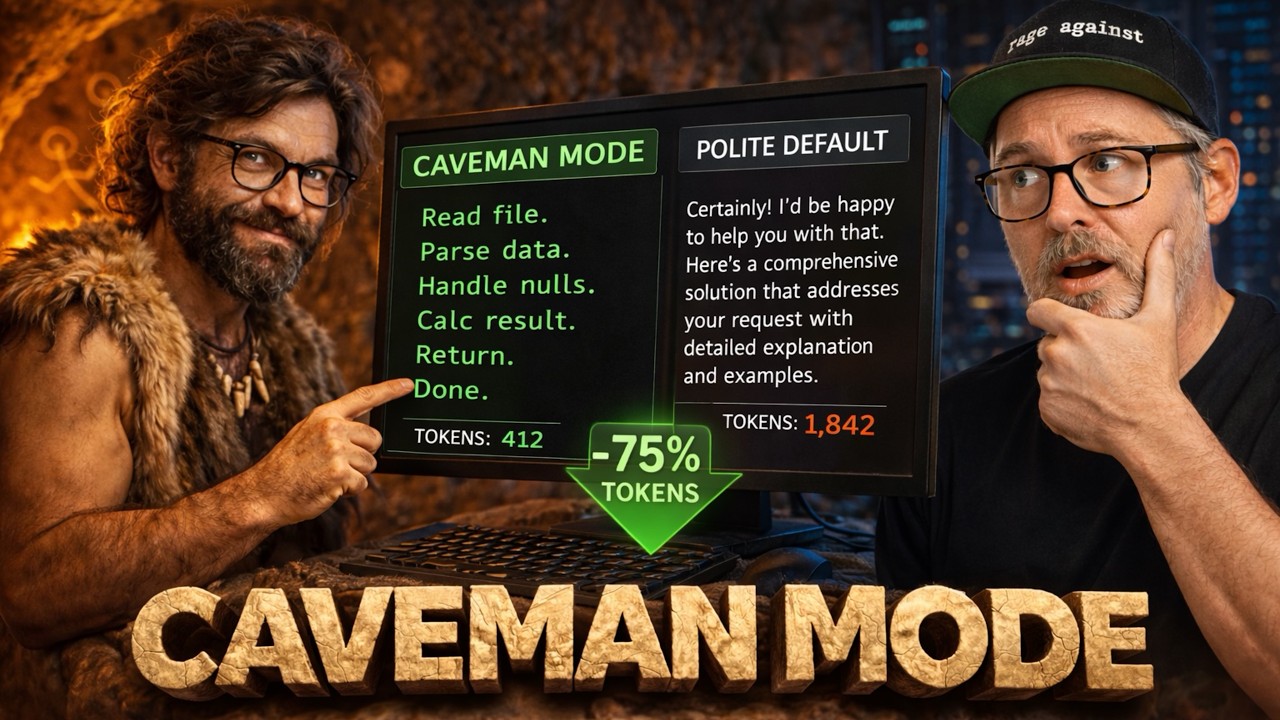
For a year, the story was that U.S. labs were pulling away. That story just changed — and the implications aren't just about who ships faster.
The lawsuit is the headline. The deeper story is what happens when a chatbot becomes the first thing people turn to during a crisis — and gets it wrong.
The pivot to advertising isn't a footnote — it's the moment the business model of AI starts to look a lot more like the business model of the internet.